Cybersecurity Courses with Certification: Boost Your Career

If you're aiming to break into or advance within cybersecurity, enrolling in cybersecurity courses with certification is one of the smartest moves you can make. Certifications validate your skills for employers, open doors to higher-paying roles, and provide a structured learning path. This guide explains why certification matters, outlines top credential types, and helps you choose the right course to meet your goals.
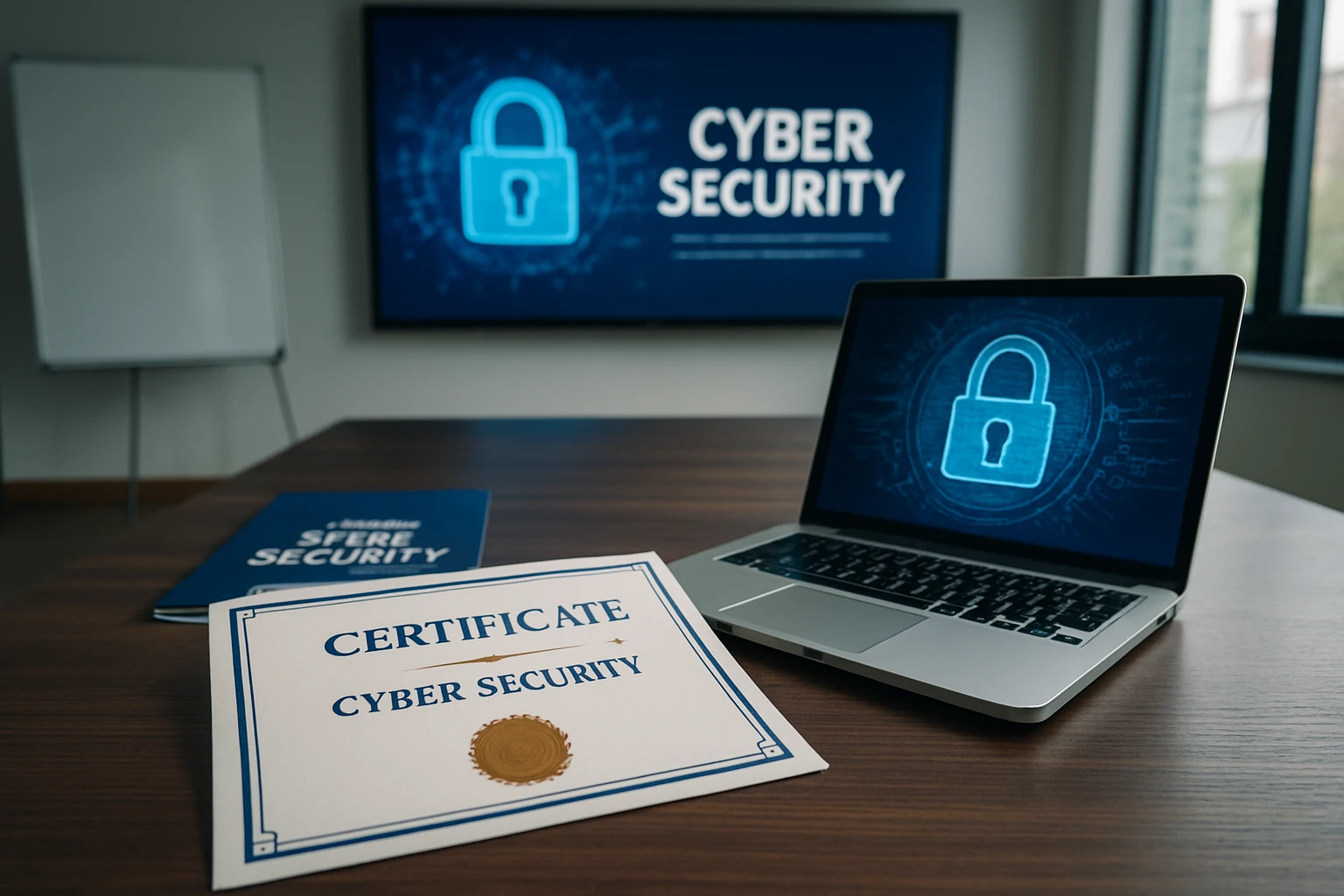
Why choose cybersecurity courses with certification?
Cybersecurity courses with certification do more than fill knowledge gaps — they provide recognized proof of competence that employers value. Certified professionals are often prioritized for hiring and promotions because certificates demonstrate mastery of industry standards and best practices. For entry-level candidates, certifications can replace years of experience as a signal of readiness; for experienced pros, they show continued relevance and specialization. Beyond hiring, certified courses typically include structured curricula, hands-on labs, and exam-focused preparation, which help candidates learn efficiently and apply skills immediately. Many certifications are vendor-neutral, offering transferable skills across sectors, while vendor-specific certificates can demonstrate deep expertise with particular tools or platforms. Overall, certification-focused courses accelerate career progress, increase salary potential, and provide a clear map for continuous learning.
Top certifications explained: which course fits your goals
There are many cybersecurity courses with certification, but the best choice depends on your career stage and target role. Common and impactful certifications include: - CompTIA Security+: An ideal entry-level credential covering foundational concepts like network security, threat management, and cryptography. Security+ is vendor-neutral and widely respected for early-career roles such as security analyst or IT support with security responsibilities. - Certified Ethical Hacker (CEH): Focused on offensive security and penetration testing basics, CEH teaches how to think like an attacker. It's suitable for security testers, red team members, and anyone interested in vulnerability assessment. - Certified Information Systems Security Professional (CISSP): Aimed at experienced professionals, CISSP validates broad, managerial-level security knowledge across domains like risk management, architecture, and operations. Often required for senior roles such as security architect or manager. - Offensive Security Certified Professional (OSCP): Known for rigorous, hands-on penetration testing challenges, OSCP is prized by technical practitioners who want to prove practical exploit development and attack-path skills. - Certified Information Systems Auditor (CISA) and Certified Information Security Manager (CISM): These are governance-oriented and preferred for audit, compliance, and security management roles. When choosing a course, consider the certification's industry recognition, prerequisites, exam format (multiple-choice vs. practical), and alignment with your intended job path. Many providers bundle official courseware, labs, and exam vouchers to streamline preparation.
How to choose the right course and pass the exam
Selecting the right cybersecurity course with certification requires balancing budget, learning style, and career objectives. Start by mapping your career target (e.g., analyst, pentester, manager) to certifications commonly requested in job listings for that role. Next, evaluate course delivery: instructor-led classes and bootcamps offer mentorship and pace, while self-paced online courses provide flexibility and lower cost. Hands-on labs are essential — certifications that include realistic practice environments better prepare you for exam scenarios and on-the-job tasks. Other decision factors include exam format (practical labs vs. multiple choice), pass rates, instructor credentials, and whether the course includes exam vouchers or retake options. To maximize success, create a study plan with consistent practice, join study groups or forums, use official exam outlines, and schedule practice exams. For hands-on certifications, allocate significant lab time and document your findings; employers value demonstration of practical experience as much as certificates. Finally, track continuing education or renewal requirements so your certification remains valid and useful.
Hire Smarter, Post Your Job for Free on JobTower
Finding the right tech talent shouldn’t be complicated. Whether you’re a startup searching for your first developer or a global company scaling your IT team, JobTower.io helps you connect with skilled professionals who are actively looking for their next opportunity.
Post your job for free today and get instant visibility across our growing job network, social channels, and Google Jobs listings. Our platform is optimized to attract high-quality candidates, saving you time while ensuring your opening reaches the right audience.
👉 Post a Job Now
Join Our Newsletter or Find Your Next Role
Don’t miss out on the latest job opportunities in the tech world. Subscribe to the JobTower Newsletter and get fresh openings, career advice, and hiring insights delivered straight to your inbox.
If you’re ready to take the next step in your career, browse hundreds of open positions on our Jobs page from remote freelance roles to full-time tech positions across the globe. Be the first to discover new opportunities, stay informed about market trends, and grow your career with JobTower.
.svg)
%2C%20Color%3DOriginal.svg)




Follow Jobtower on your favorite platform - we share new job opportunities the moment they go live.