AI and Automation Impact on Job Salaries: Winners, Losers, and the Path Forward

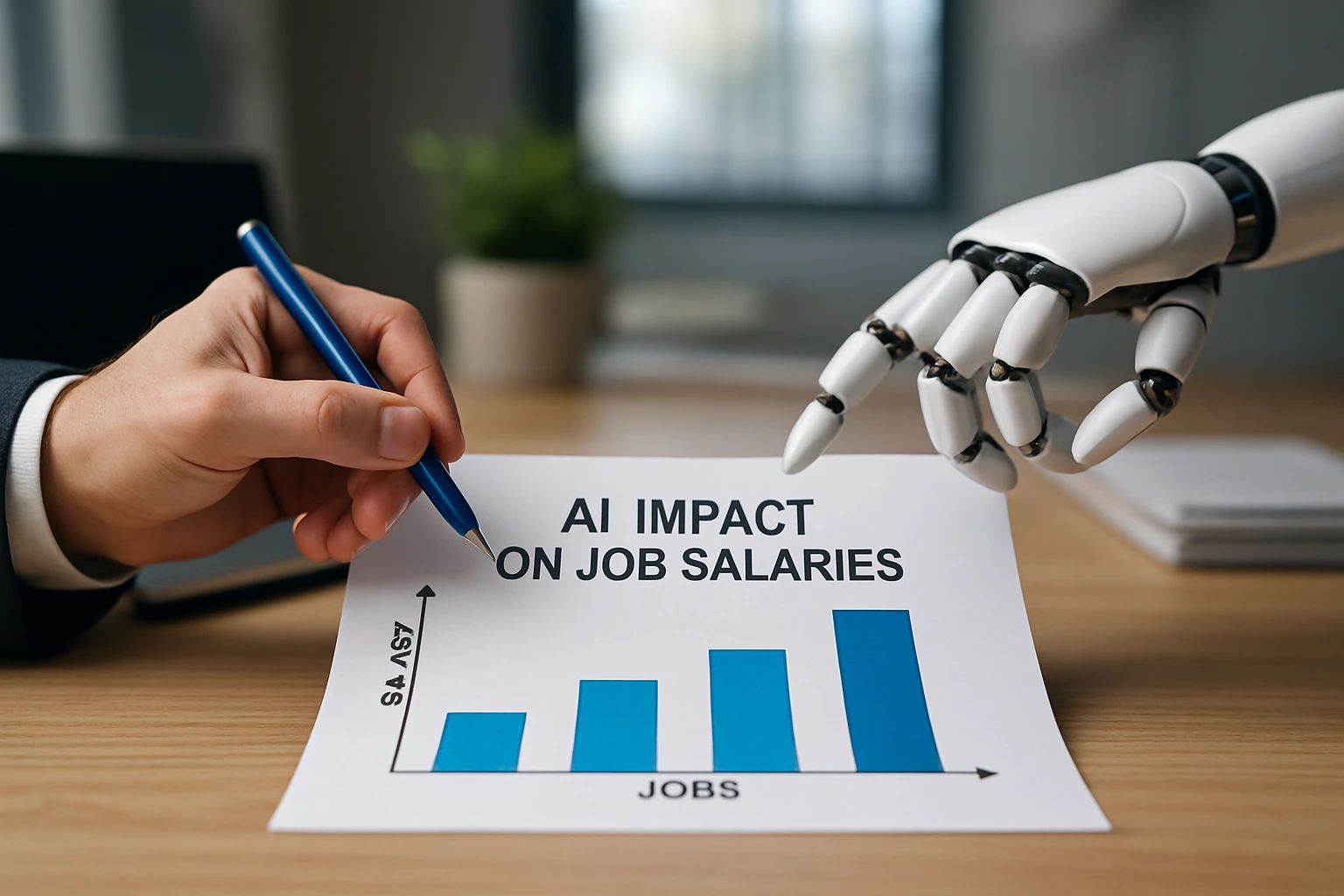
AI and automation impact on job salaries is becoming a central question for workers, employers, and policymakers. As machines take on repetitive tasks and augment cognitive work, pay patterns are shifting—some roles see wage growth while others face stagnation or decline. This article breaks down the forces at play, sector differences, and practical strategies workers and organizations can use to protect and boost earnings in an automated world.
How AI and Automation Reshape Salary Distribution
AI and automation change salary dynamics by altering the supply and demand for specific skills. When technology complements a job—like data analysts using AI to be more productive—demand for those skills rises and wages typically increase. When technology substitutes for a job—like automated checkout replacing cashiers—demand falls and downward pressure on wages follows. The net result is often wage polarization: premium pay for high-skill roles that manage or design AI systems, flat or declining pay for routine middle-skill jobs, and some resilience for low-skill jobs that require in-person human interaction. Geographic and firm-level factors matter too: high-productivity firms that adopt automation effectively often pay above-market wages to retain scarce human talent, while smaller firms may suppress wages as they automate to cut costs. Over time, aggregate productivity gains from automation can raise average wages, but distributional effects mean many workers won’t benefit equally without targeted interventions.
Sector-Specific Effects: Who Gains and Who Loses
The impact of AI and automation on job salaries varies widely across sectors. In technology and finance, automation tools can boost productivity and create high-paying roles in AI engineering, model validation, and data governance. In healthcare, clinical support tools can increase clinician productivity and value, lifting salaries for specialized professionals, while routine administrative roles may shrink. Manufacturing has seen long-term automation-driven declines in some assembly jobs, but advanced manufacturing roles that require programming and maintenance of automated systems command higher pay. Retail and hospitality often face pressure on wages for customer-facing routine tasks due to self-service tech, though jobs emphasizing complex human interaction or high-touch service remain more protected. Creative and knowledge fields are mixed: AI can augment creative work, increasing demand for skills that can guide and refine AI outputs, but it can also commoditize certain content-creation tasks, depressing pay for commoditized outputs. Understanding these sectoral patterns helps workers and employers prioritize which skills to develop or which roles to redesign.
Strategies to Protect and Grow Salaries in an Automated World
Workers and employers can take proactive steps to influence the AI and automation impact on job salaries. For workers, continuous reskilling toward complementary skills—critical thinking, AI literacy, domain expertise, and interpersonal abilities—raises bargaining power and eligibility for higher-paying roles. Building measurable achievements (projects, certifications, portfolios) that demonstrate impact with AI tools helps in salary negotiations. Employers should invest in role redesign and internal mobility programs so employees shift into higher-value tasks rather than being displaced. Firms that pair automation with human upskilling tend to see higher retention and wage growth. Policymakers can support transitions via subsidized training, portable benefits, wage insurance, and incentives for firms that invest in human capital. Collective bargaining and sector-wide standards can also mitigate downward pressure on wages where automation creates monopsony-like labor market dynamics. Combining individual, organizational, and policy responses offers the best chance to ensure automation raises productivity without leaving large groups of workers behind.
Hire Smarter, Post Your Job for Free on JobTower
Finding the right tech talent shouldn’t be complicated. Whether you’re a startup searching for your first developer or a global company scaling your IT team, JobTower.io helps you connect with skilled professionals who are actively looking for their next opportunity.
Post your job for free today and get instant visibility across our growing job network, social channels, and Google Jobs listings. Our platform is optimized to attract high-quality candidates, saving you time while ensuring your opening reaches the right audience.
👉 Post a Job Now
Join Our Newsletter or Find Your Next Role
Don’t miss out on the latest job opportunities in the tech world. Subscribe to the JobTower Newsletter and get fresh openings, career advice, and hiring insights delivered straight to your inbox.
If you’re ready to take the next step in your career, browse hundreds of open positions on our Jobs page from remote freelance roles to full-time tech positions across the globe. Be the first to discover new opportunities, stay informed about market trends, and grow your career with JobTower.
.svg)
%2C%20Color%3DOriginal.svg)



Follow Jobtower on your favorite platform - we share new job opportunities the moment they go live.